
Unlock Your Skin’s Natural Radiance

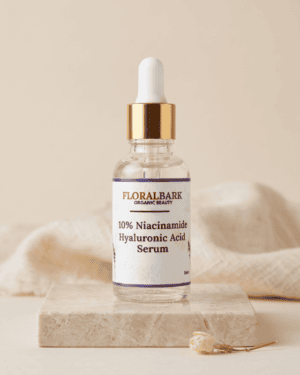
Face Serum: Types, Benefits, Ingredients & How to Choose the Right One
A serum is typically formulated with a higher concentration of selected active ingredients, allowing it to address specific concerns such as dullness, uneven-looking skin, excess oil, dryness, or visible signs of aging.
Face Serum
A face serum is a lightweight skincare product designed to deliver concentrated ingredients to the skin.
Depending on the formulation, a serum may contain ingredients such as vitamin C, niacinamide, hyaluronic acid, salicylic acid, alpha arbutin, peptides, or botanical extracts.
Face Serum Vitamin C
Vitamin C is one of the most popular ingredients in modern skincare. It is an antioxidant that helps protect the skin from environmental oxidative stress and supports a brighter, more even-looking complexion.
Face Serum Niacinamide
Niacinamide, also known as vitamin B3, is a versatile skincare ingredient that works well with many different skin types. It can support the skin barrier, improve the appearance of uneven skin tone, and help reduce the look of excess oil.
A niacinamide serum may therefore appeal to individuals who want a simple, multifunctional product.
Face Serum Salicylic Acid
Salicylic acid is a beta hydroxy acid commonly used in skincare products designed for oily and blemish-prone skin. It helps exfoliate the skin and can work within pores to remove accumulated oil and debris.
A salicylic acid serum may help improve the appearance of clogged pores, blackheads, and uneven skin texture
Face Serum for Dry Skin
A lightweight hydrating serum with Ingredients such as hyaluronic acid, glycerin, panthenol, ceramides, and soothing botanical extracts can be applied to slightly damp skin and followed with a moisturizer. This approach can help create a comfortable, hydrated feel without adding unnecessary heaviness to the routine.
Face Serum for Men
Men can use facial serums just as effectively as women. The most important consideration remains the individual’s skin type and specific concerns rather than gender.
A simple routine involving cleansing, a suitable serum, moisturizer, and sunscreen can provide a practical foundation for everyday skincare.
Face Serum for Oily Skin
Oily skin produces more sebum. Therefore, a serum with Ingredients such as niacinamide, salicylic acid, hyaluronic acid, and certain botanical extracts may suit oily skin depending on its specific needs.
A water-based or gel-textured formula can also feel more comfortable than a heavy, oil-rich product.
Face Serum for Women
Women may choose a serum based on their skin type, lifestyle, age, and specific concerns. There is no single formula that works for every woman because skin requirements can vary significantly.
A consistent routine generally matters more than using several products at once. Selecting one or two targeted products can make a routine easier to follow and evaluate.
Face Serum for Glowing Skin
A serum designed for glowing-looking skin may contain ingredients such as vitamin C, niacinamide, hyaluronic acid, alpha arbutin, or botanical antioxidants.
Vitamin C can support a brighter-looking complexion, while hydrating ingredients help the skin appear plumper and fresher. Meanwhile, niacinamide can help improve the appearance of uneven skin tone.
Face Serum for Dry Skin Women
Women with dry skin may benefit from a serum that focuses primarily on hydration and barrier support. Ingredients such as hyaluronic acid, glycerin, panthenol, ceramides, and nourishing botanical extracts can help improve the skin’s comfortable, hydrated feel.
Face Serum for Men Oily Skin
Men with oily skin may prefer lightweight formulas that provide targeted care without leaving a heavy or sticky finish. Niacinamide and salicylic acid are commonly considered for routines focused on excess oil and the appearance of clogged pores.
A gentle cleanser can remove excess sebum, while a lightweight serum can provide targeted skincare support.
Conclusion
Choosing the right serum starts with understanding the skin rather than simply following trends. Vitamin C can complement routines focused on brightness, niacinamide offers versatile barrier and oil-balance support, while salicylic acid can be useful for oily and blemish-prone skin.
Dry skin generally benefits from hydration-focused ingredients, whereas oily skin often feels more comfortable with lightweight, non-greasy formulas.